
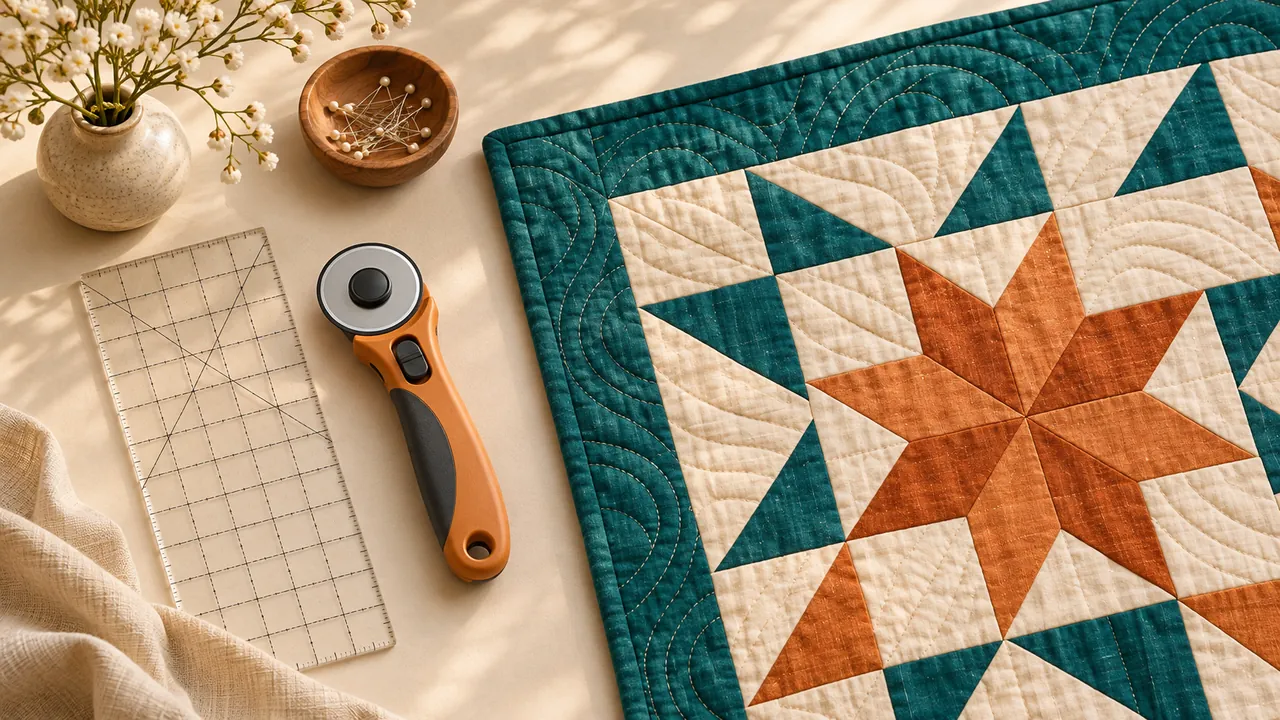
How to Make a Quilt Backing: Width, Seams and Overage
Choose a backing compatible with the quilt top and quilting method, confirm required overage with the quilter, then plan one or more panels from the measured usable fabric width.
Read the guideExplore blocks, understand quilt sizes and plan the backing and binding that finish your quilt.
Choose the guide that meets you where you are. Build your understanding one useful step at a time.
Measure your mattress and choose the desired side, foot and head coverage.
Read the guideFor the traditional exact-size two-at-a-time method, start with squares at finished HST size + 7/8 inch.
Read the guideCut, diagonally join and fold straight-grain strips for double-fold quilt binding, with join loss included in the length plan.
Read the guideBrowse every published guide in this collection. Start with a tutorial, look up a reference or compare your options.
Choose a backing compatible with the quilt top and quilting method, confirm required overage with the quilter, then plan one or more panels from the measured usable fabric width.
Read the guideCut, diagonally join and fold straight-grain strips for double-fold quilt binding, with join loss included in the length plan.
Read the guide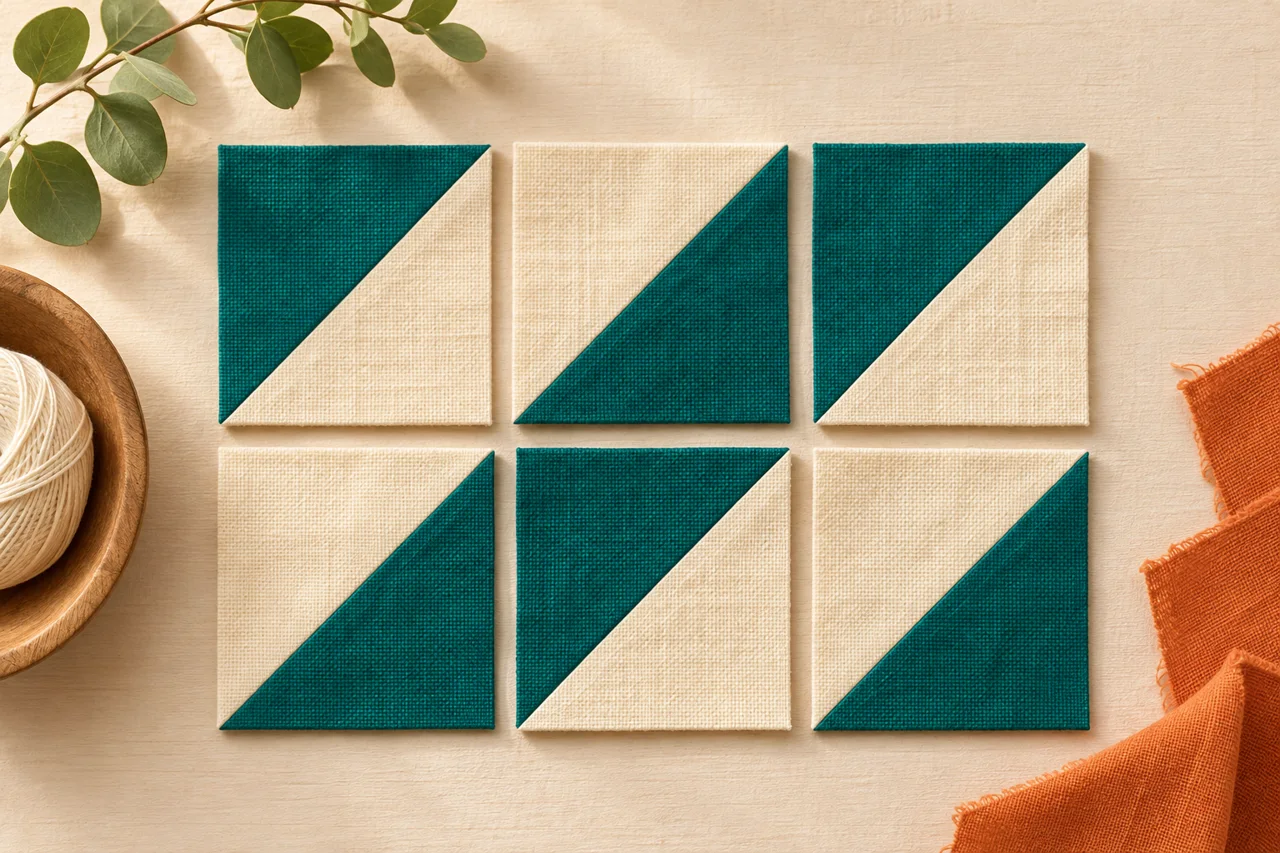
The four-at-a-time method uses one large square and four small squares.
Read the guideMeasure your mattress and choose the desired side, foot and head coverage.
Read the guideFor the traditional exact-size two-at-a-time method, start with squares at finished HST size + 7/8 inch.
Read the guide5 articles
Compare backing layouts with your fabric width, seam allowances and chosen overage.
Open calculator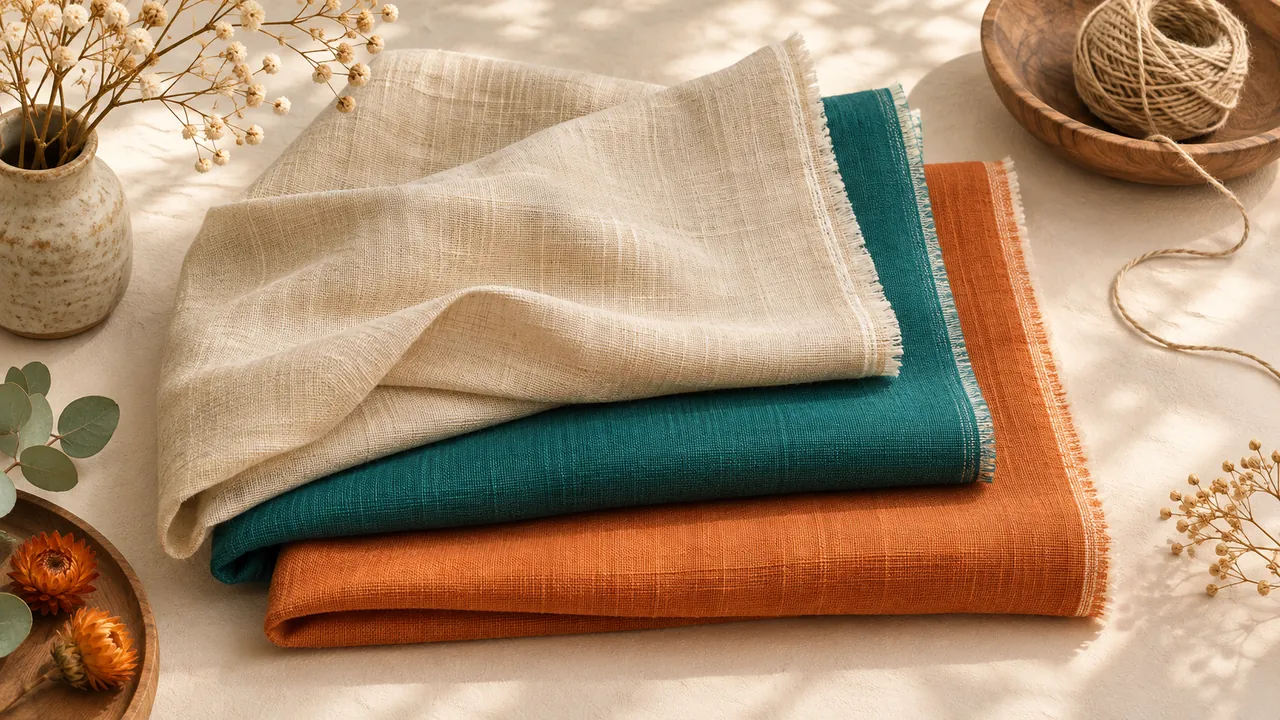
Understand fabric construction, weight, grain and width before choosing what works.
Explore fabric